
Residential Care Facilities for the Elderly (RCFEs), commonly known as Board and Care homes, are residential communities that provide 24-hour supervision and personalized care for seniors who need assistance with activities of daily living (ADLs) but do not require skilled nursing care. These homes offer a safe, comfortable, and supportive environment for seniors who may have dementia, limited mobility, or require full-time assistance with daily tasks. Residents who are physically dependent or need ongoing caregiver support can thrive in this setting with dignity and compassion. RCFEs vary in size, from small homes housing 6 residents to larger communities with 100 or more residents. The term “Board and Care” usually refers to the smaller, more intimate homes, often accommodating six residents, which provide a family-like environment and close caregiver attention. Residents typically live in private or shared rooms and receive assistance with daily activities, including bathing, dressing, grooming, meal preparation, and medication management. Care is provided by trained caregivers who are available 24 hours a day, often with two caregivers during daytime hours and at least one overnight, ensuring continuous supervision, safety, and personalized support. Board and Care homes focus on creating a warm, homelike atmosphere, encouraging social interaction, comfort, and independence wherever possible, while meeting each resident’s unique care needs.
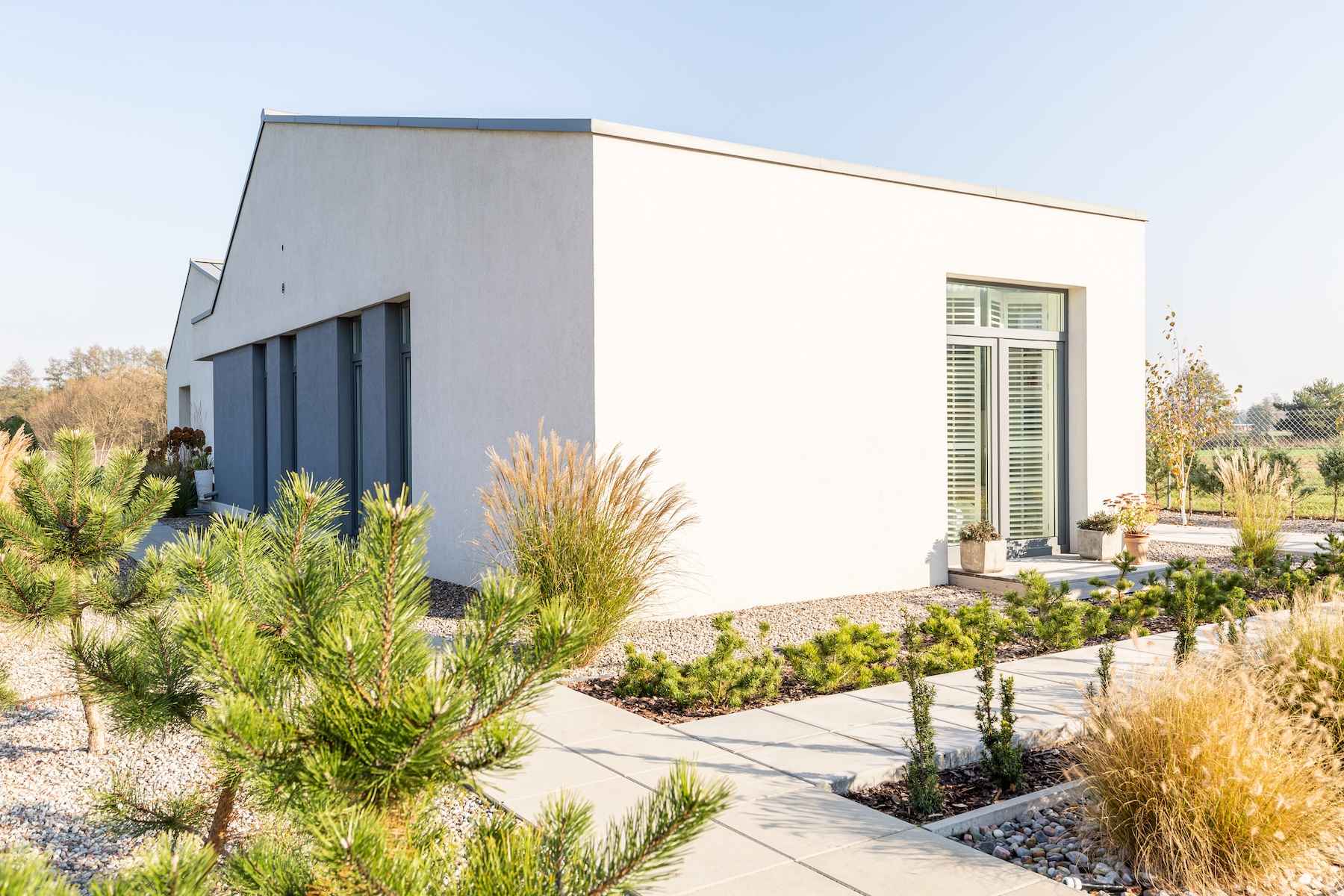

Assisted living communities are residential settings designed for seniors who need assistance with activities of daily living (ADLs) but do not require intensive medical or skilled nursing care. These communities allow residents to maintain as much independence as possible while still benefiting from support with daily routines. Assisted living communities can vary in size, typically housing 50 to 300 or more residents. Because of the larger resident population, the staff-to-resident ratio is higher than in smaller Board and Care homes, but professional caregivers are available around the clock to meet residents’ needs. Residents enjoy a variety of amenities designed to enhance comfort, convenience, and quality of life, including: Private or shared apartments: Studios, one-bedroom, or larger units designed for personal comfort and privacy. Dining services: Meals are provided in communal dining areas, with options for special dietary needs, ensuring nutrition and social engagement. Housekeeping and maintenance: Regular cleaning, laundry, and property maintenance services reduce the burden of daily chores. Transportation: Many communities offer scheduled transportation for medical appointments, errands, and group outings. Social and recreational programs: Exercise classes, games, outings, and enrichment activities are provided to encourage social interaction, engagement, and overall well-being. Assistance with ADLs: Trained staff are available to help with bathing, dressing, grooming, medication management, and other daily tasks, providing support while promoting independence. Assisted living communities focus on creating a safe, supportive, and engaging environment, allowing seniors to enjoy their independence while receiving the care and assistance they need.
Memory care is a specialized type of senior care designed for individuals living with Alzheimer’s disease or other forms of dementia. These communities provide a secure, structured, and supportive environment tailored to meet the unique needs of residents with memory impairments. Safety is a top priority in memory care communities. They typically feature secure entrances and exit, along with alarms, motion detectors, and other monitoring systems to prevent residents from wandering or becoming lost. The physical layout is carefully designed to promote safety and orientation, often incorporating circular hallways and clear signage to reduce confusion and disorientation. Beyond safety, memory care communities offer specialized programs and services that engage residents’ cognitive abilities and enhance quality of life. This may include: Memory-focused activities such as reminiscence therapy, puzzles, and cognitive games Creative therapies including music, art, or movement therapy, shown to support memory and emotional well-being Structured daily routines to provide predictability and reduce anxiety Memory care communities also maintain high staff-to-resident ratios, with caregivers specially trained in dementia care to provide personalized support with daily activities, medication management, and social engagement. Overall, memory care communities offer a safe, compassionate, and engaging environment for seniors who require a higher level of supervision and specialized care than can typically be provided at home or in traditional assisted living settings.


Respite care provides a valuable solution for seniors and their families by offering temporary relief for primary caregivers. These services create a safe, supportive, and nurturing environment for individuals who need assistance with daily activities but do not require skilled nursing care. Respite care is particularly beneficial for seniors with conditions such as dementia or for those who are physically dependent on caregivers. Respite homes vary in size to accommodate different needs. While larger communities may house over 100 residents, the term “respite home” generally refers to smaller settings serving around six residents, offering a home-like atmosphere and personalized attention. Residents typically live in private or shared rooms and receive 24-hour care from trained caregivers, including assistance with bathing, dressing, grooming, and medication management. Most homes have two caregivers during the day and at least one caregiver overnight to ensure continuous supervision and support. The primary goal of respite care is to provide family caregivers with a temporary break—whether to attend to other responsibilities, travel, or simply recharge—while knowing their loved ones are in safe, attentive hands. Respite care also benefits seniors, offering opportunities to socialize, engage in stimulating activities, and enjoy meaningful interactions tailored to their preferences. This arrangement supports the well-being of both caregivers and their loved ones, helping families maintain a healthy balance and peace of mind.
Independent living communities are ideal for seniors who want to maintain a self-sufficient lifestyle while enjoying the safety and support of a senior community. These communities serve individuals who do not require 24-hour care or skilled nursing but may benefit from occasional assistance with daily tasks. Residents typically live in private or shared apartments and have access to staff for support as needed. Communities vary in size, from small, intimate settings to large, vibrant campuses, and provide amenities designed to enhance comfort, independence, and social engagement. Independent living emphasizes a fulfilling, active lifestyle, offering fitness programs, social clubs, dining services, and organized activities that encourage residents to pursue their interests and connect with others. This combination of autonomy, security, and community support makes independent living a popular choice for seniors seeking an enriching retirement experience.


In-home care provides personalized support for seniors who wish to remain in the comfort of their own home while receiving assistance with daily activities. Care can be delivered by trained professional caregivers, licensed providers, or family members, depending on individual needs. Services typically include bathing, dressing, grooming, toileting, mobility assistance, meal preparation, medication management, and companionship. More specialized care, such as physical therapy, wound care, or hospice support, can also be provided.In-home care is flexible, available on a part-time, full-time, or 24-hour basis, tailored to the senior’s specific requirements. Costs vary based on care level and location, with some services covered by insurance or government programs, while others are privately funded.
We use cookies to enhance your browsing experience, provide personalized content, and improve site performance. For the best experience, please keep your browser up to date — fix browser update.